Woodstove safety
NEWS RELEASE
A Public Service Announcement from Bend Fire & Rescue
10/29/12
For Immediate Release
For More Information: Dan Derlacki, Deputy Fire Marshal
City of Bend Fire Department
Phone: 541-322-6309
As the temperature drops, wood stove usage increases.
In Oregon there are an average of 600 wood stove and home heating fires causing $18,000,000 in damages each year. With a little planning and maintenance, you can help keep from becoming a part of that statistic.
Here are some simple tips for keeping your home safe:
- Have a Certified Chimney Sweep clean and inspect your chimney and fireplace for creosote build-up, cracks, crumbling bricks, damaged pipes and obstructions at least once a year for occasional users, twice a year if you use your wood stove as your primary source of heat. Only physical cleaning can remove creosote buildup. Wood stove cleaning logs are effective to help prevent creosote buildup but not in removing creosote already on the flue lining.
- Replace any damaged or worn parts; be sure that all stovepipes sections are tightly secured together
- Be sure your chimney cap has an approved spark screen to prevent escaping sparks from igniting your roof and keep tree branches trimmed at least 10 feet from chimney.
- To prevent flue fires burn dry and well-seasoned wood. Burn small, hot fires.
- Wood stoves and fireplaces need fresh air to properly operate be sure that there is a source of fresh air close to it.
- Always use a fireplace screen made of sturdy metal or heat-tempered glass to prevent sparks from escaping. If children are present, use a special child-guard screen as a barrier for your wood stove.
- Keep furniture, firewood and other combustibles at least 3 feet from your wood stove or fireplace
- Never use flammable liquids to start your wood stove or fireplace!
- Place ashes in a metal container with a tight cover and place outside 3 feet away from combustible materials such as decks, porches, woodpiles and out- buildings. Ashes can keep hot for several days after disposal; ensure the ash is cold to the touch before disposing of them further. Improperly disposed of ashes is a leading cause of deck fires in the winter time.
- Install a Carbon Monoxide (CO) Alarms in your home if wood, oil, or gas is used to fuel your heating appliance. All homes should have at least one working smoke alarm as well.
- If you have a flue fire or overheated stove close the draft controls to the stove, call 911, and go outside and wait for the fire department to arrive! Always have your stove and chimney inspected and repaired after a flue fire to ensure it is safe to use again!
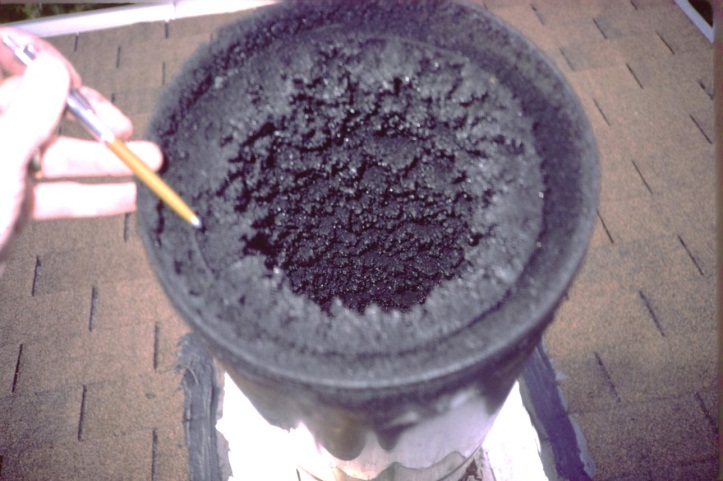
Picture depicts a 1 inch layer of creosote built up on the inside of a wood stove chimney pipe. Proper cleaning would remove that creosote. Creosote is combustible and is the leading cause of flue fires. Only a physical cleaning with a brush can get this type of build up out of a pipe.
Working Smoke Alarms, Home Fire Escape Plans, and Home Fire Sprinklers save lives.
Test your smoke alarms and practice your Home Fire Escape Plan today!
# # #
View All News