Smoke and Carbon Monoxide Alarms
Working smoke and carbon monoxide alarms can alert you to unseen dangers and potentially save your life by giving you an early warning to get out of the house.
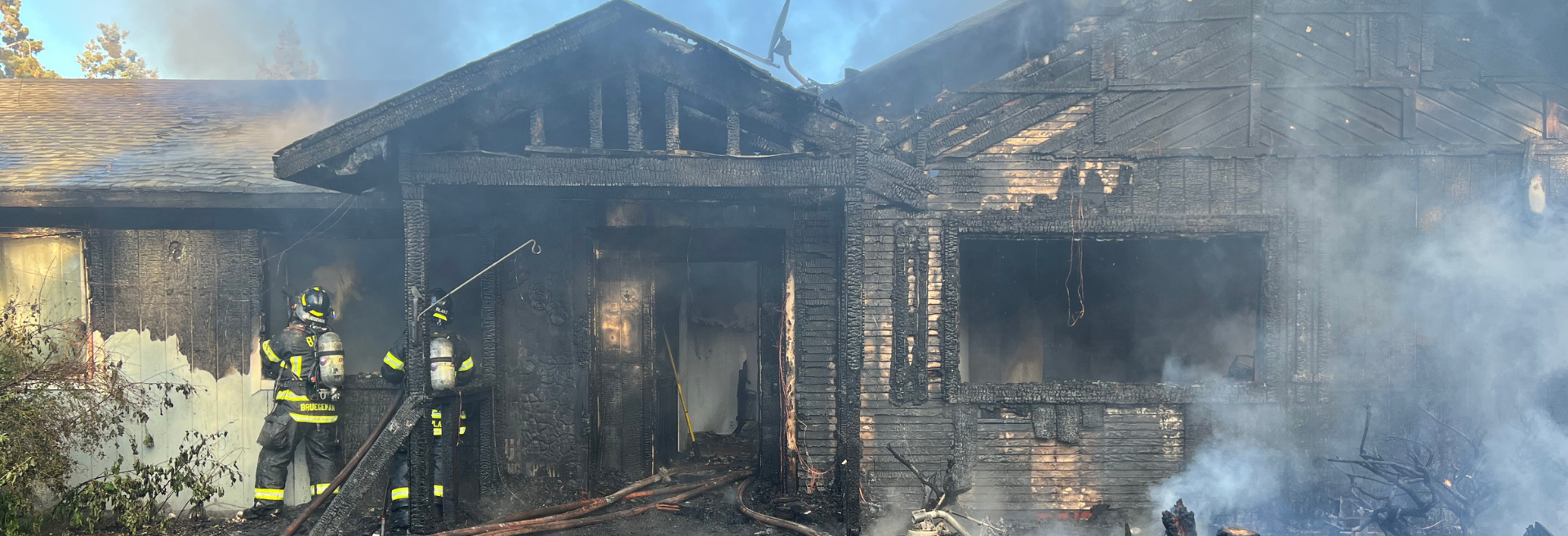
Smoke and carbon monoxide alarms are essential safety devices that everyone should have in their homes. These alarms can provide an early warning about dangers like fires or carbon monoxide, which is a harmful gas you can’t see or smell.
Smoke Alarms
According to the Oregon State Fire Marshal, 80% of home fire deaths in Oregon happen in homes where working smoke alarms are not present. Working smoke alarms provide early warning, giving you more time to escape, and cut the risk of dying in a home fire in half.
Frequently Asked Questions About Smoke Alarms
There are many types of alarms that will work for your home, just be sure that the smoke alarms you purchase carry the label of an independent testing laboratory (this means a trusted company has checked that the alarm works properly).
Here are some things to know about the different types of alarms you can have in your home:
- Most homes have hardwired smoke alarms. How many and where depends on when the home was built.
- Some alarms run just on batteries which you can usually install yourself. You can find “long-life” alarms that have 10-year or lithium batteries that are intended to last the life of the smoke alarm.
- Smoke alarms only last 10 years and should be replaced after that. This can be done by the homeowner, electrician/handyperson, or Bend Fire & Rescue may be able to assist you.
- Some alarms use different ways to detect smoke. One type is called “ionization,” and another is called “photoelectric.” Alarms that use both types are better at catching different kinds of fires.
- Some alarms have a hush or silence feature so you can turn them off for a short time if cooking fumes or steam set them off. These models will turn back on automatically after 8 to 10 minutes.
- For people who are deaf or hard-of-hearing, some alarms flash a strobe-like light.
Smoke alarms are typically installed in your home during construction, in the most appropriate or required location based on the law at the time it was built. You can add alarms to your home but usually cannot remove them.
Smoke alarms should be installed:
- On every level of your home – including the basement.
- In and outside each sleeping area. Make sure everyone can clearly hear and recognize the sound of smoke alarms. If you sleep with your bedroom door closed, ensure there are alarms inside and outside the bedroom. You may consider having a qualified electrician install interconnected smoke alarms in each room so when one sounds, they all sound.
- On floors without bedrooms, install alarms in the living room and/or near the stairways to the upper level. Don’t install alarms closer than three feet from a kitchen or bathroom door. Don’t install alarms in places that get too hot or too cold.
- High on a wall or on the ceiling because smoke rises.
- For wall-mounted alarms: 4 to 12 inches from the ceiling.
- For ceiling-mounted alarms: At least 4 inches away from the nearest wall.
- In a room with a sloped ceiling, put the alarm near the highest point.
- Basement alarms should be located near the stairway leading to the floor above.
- NOT within three feet of a heating or air conditioning vent.
If your home is older and only has one smoke alarm, consider adding more to better protect yourself and your family.
You should test smoke alarms monthly. If the alarm isn’t working during testing, replace batteries and test again to determine whether the unit needs to be replaced.
If your smoke alarm goes off and there is a fire, get out and stay out! Never go back inside for people, pets, or belongings. Once you are out of the structure, call 911.
If your smoke alarm goes off for unknown reasons or non-fire causes, don’t just take the alarm down! Try to figure out what caused it. A smoke alarm in a drawer won’t protect your family. If your alarm won’t stop, try using the “hush” button (if it has one) while you figure out what’s wrong.
False alarm? Sometimes alarms beep when they need new batteries or are dirty. Try changing the batteries and cleaning the alarm with a vacuum or a can of air. Proactively you can vacuum or blow out detectors every 6-12 months to help prevent these types of false alarms.
Call Bend Fire & Rescue for help if you can’t get the alarm to stop or aren’t sure what to do. /p>
You should replace regular smoke alarm batteries once a year. This helps stop the alarm from chirping and keeps it working. If it chirps, don’t take it down—only working alarms save lives!
Smoke alarms with long-life batteries should be replaced every 10 years, or as the instructions say. Look for a date on the back of the alarm. If there’s no date, it’s probably too old and should be replaced.
Even alarms that are wired into your home’s electricity have backup batteries! These usually take a 9V battery. Replacing the battery helps the alarm work even if the power goes out. If you need to replace a wired alarm, make sure the new one comes with an adapter, so you don’t have to do any rewiring. Most brands sell alarms with adapters, and it will say so on the box.
Watch this quick video on smoke alarms, which includes an overview on changing batteries.
Carbon Monoxide Alarms
Carbon monoxide (CO) is known as the invisible killer because it’s a gas you can’t see or smell. It’s created when fuels (such as gasoline, wood, coal, natural gas, propane, oil, and methane) don’t burn completely. In the home, heating and cooking equipment that burn fuel can be sources of carbon monoxide.
Frequently Asked Questions About Carbon Monoxide Alarms
To protect yourself from the dangers of carbon monoxide, you should know where this gas comes from! Here are some of the sources of carbon monoxide:
- Carbon monoxide is made when fuel doesn’t burn completely, which can happen if something is broken or not working right. Keeping your appliances clean and in good condition helps lower the risk.
- Things that don’t create carbon monoxide: electrical appliances, natural gas or propane leaks, and it doesn’t occur naturally in high enough amounts to set off most alarms.
- Heaters, fireplaces, furnaces, appliances, and cooking sources that use coal, wood, or gas.
- Equipment with gas engines like portable generators, cars, lawn mowers, and power washers.
- Car exhaust in an attached garage can leak carbon monoxide into the house, even if the garage door is open.
- Using gas-powered equipment inside a garage can increase the risk of carbon monoxide getting into your home.
Carbon monoxide takes the place of oxygen in your blood. This means your body doesn’t get the oxygen it needs, which can be very dangerous. It can damage your organs and even cause death. People most at risk include:
- Unborn babies
- Infants
- Older adults
- People who smoke
- People with heart or breathing problems
Early symptoms are like the flu, but without a fever:
- Headache
- Feeling tired
- Shortness of breath
- Nausea
- Dizziness
- Skin may turn bright red
More serious symptoms include:
- Confusion
- Vomiting
- Trouble walking or moving
- Passing out
- Death
There are many types of acceptable carbon monoxide alarms:
- Hardwired carbon monoxide alarm: Activated by carbon monoxide
- Battery operated carbon monoxide alarm: Activated by carbon monoxide
- Plug-in carbon monoxide alarm: Activated by carbon monoxide
- Combination smoke/carbon monoxide alarms: Activated by smoke or carbon monoxide
Carbon monoxide alarms SHOULD be installed:
- In accordance with the manufacturer’s recommended instructions.
- On each level of your home with bedrooms (sleeping areas).
- Inside each bedroom or within 15 feet of each bedroom door. This is important because air vents can carry carbon monoxide straight into bedrooms, skipping the hallway.
Carbon monoxide alarms SHOULD NOT be installed:
- In garages and kitchens.
- In very dusty, dirty, humid, or greasy areas.
- In direct sunlight or places that get very hot or cold, like attics, basements, or porches.
- In outlets blocked by curtains or furniture.
- Near fans, vents, or open windows where air might blow the gas away from the alarm.
You should test carbon monoxide alarms monthly. If the alarm isn’t working during testing, replace batteries and test again to determine whether the unit needs replaced.
To avoid chirping alarms, we recommend that you replace batteries annually.
Replace your carbon monoxide alarm when it starts beeping, when the date on the back says it’s time, or if it doesn’t work when you test it.
Most carbon monoxide alarms last about 10 years. After their lifespan they will quit working and you won’t know because carbon monoxide has no smell, taste, or color. Most alarms will chirp or beep when they’re too old and need to be replaced. Check the back of the alarm to see what the beeps mean.
Carbon monoxide alarms chirp at the end of their life. Check the back of the alarm for the specific chirps based on that brand. If its chirping for end of life or malfunctioning, its time to replace the entire alarm. Carbon monoxide alarms with displays may say, “BAT,” when the batteries need changing, or, “END/MAL,” when at the end of their life or malfunctioning.
Watch this quick video on carbon monoxide alarms, which includes an overview on changing batteries.
Don’t ignore the alarm! If your carbon monoxide alarm is going off, get out and stay out! These alarms are meant to warn you before you feel sick.
- Get everyone outside into fresh air and call 911 right away.
- DO NOT open doors or windows—just leave. This helps keep you safe and lets firefighters find the source of the problem. It also limits your exposure to carbon monoxide in the house.
- Emergency crews will check your home and tell you when it’s safe to go back inside.
To help prevent false alarms, have all fuel-burning equipment (like gas stoves, fireplaces, and heaters) checked by a professional every year. Also, have chimneys and vents cleaned before cold weather starts.
Do you have a plan for when the alarms sound?
Make sure your family has a plan for how to evacuate your home if your smoke or carbon monoxide alarms sound. One of the best ways to prepare your family is to practice escape drills in the home.
Follow these easy steps to ensure everyone knows how to get out safely:
- Draw a floor plan of your home.
- Make an escape plan.
- Practice your plan.
- Teach young kids what to do if a fire breaks out in the home, like how to feel the door with the back of their hand to check if it’s hot, and how to stay low to the ground where the air is cleaner and easier to breathe.
- Have a backup plan in case you can’t get out. Close the door to keep the fire away, block cracks with towels or blankets to stop smoke from coming in, and know how to signal for help so firefighters can find you.
- Have a meeting place!
Alarms for the Deaf or Hard of Hearing
Alarms are important for everyone, including those who are deaf or hard of hearing. Regular alarms may not be heard, so it’s important to use special alarms that flash lights or shake the bed to wake people up.
Bend Fire & Rescue provides specific support to those with hearing impairments and can assist those with hearing limitations obtain the correct alarms so that they can be alerted to a fire in their home.
To request assistance with special alarms, please call the Fire Prevention Division at 541-322-6386.
Have Your Alarms Checked or Installed
Bend Fire & Rescue offers free assistance in checking alarms to ensure they are working properly and will replace or install new alarms if needed.
To request an alarm check or install, please call the Fire Prevention Division at 541-322-6386 or fill out the form below.
Oregon Alarm Laws
Oregon Smoke Alarm Laws
Oregon Law requires all homes being sold or rented to have working smoke alarms. Learn more about Oregon Smoke Alarm Laws.
Oregon Carbon Monoxide Alarm Laws
Oregon Law requires all homes being sold or rented to have working carbon monoxide alarms if they have something that can make carbon monoxide (like a heater, fireplace, or furnace), were built after 2011, or had major renovations done with a permit. Learn more about Oregon Carbon Monoxide Alarm Laws.
Oregon Alarm Laws at a Glance
Oregon Law includes alarm requirements for homes that are being sold or rented. In general, homeowners in these situations must:
- All smoke alarms must be less than 10 years old.
- Replace alarms with the same type—if it was hardwired, use another hardwired one. You can also use alarms that detect both smoke and carbon monoxide.
- Make sure all alarms that were originally installed when the home was built are still there and working. Homes built before 1997 usually have one or two alarms in the hallway. Homes built after 1997 usually have alarms in both bedrooms and hallways.
- If parts of the home were added or changed into living spaces after 1997, those areas might need different alarm setups than the older parts of the home.
- Even in older homes, you must add a carbon monoxide alarm if there’s something that can make carbon monoxide, like a gas stove or an attached garage.
- Carbon monoxide alarms, when required, should be on each level of the home with a sleeping room and within 15 feet of the doors. Some homes may need more than one alarm to meet this rule.
- Carbon monoxide alarms can be battery powered or hardwired.
- Carbon monoxide spreads evenly in the air, so alarms can be placed anywhere—on the wall, near the floor, or on the ceiling—and still work.
Oregon has very strong landlord-tenant laws that are very specific to smoke alarms. Here are some key points for both parties:
- The owner of any rental home or the owner’s agent must install and take care of the required smoke alarms. They must also give the tenant written instructions on how to test the alarms. This must be done when the tenant first moves in. (ORS 479.270)
- If the alarm uses batteries, the landlord must make sure the batteries are working at the start of the rental.
- Tenants must change the batteries regularly to stop the alarm from chirping or not working.
- Tenants must tell the landlord in writing if the alarm isn’t working. (837-047-0160) If the problem isn’t just dead batteries, the landlord must fix or replace the alarm. (ORS 90.317)
- A landlord can charge a tenant a fee (usually $250) if they remove or mess with a working carbon monoxide alarm. (ORS 90.302) This rule is usually explained when the tenant moves in.