Sustainable Soil and Water Practices
Enhancing soil health and water efficiency in Central Oregon landscapes can be achieved through composting, lawn aeration, mulching and adopting WaterWise landscaping and drip irrigation techniques.
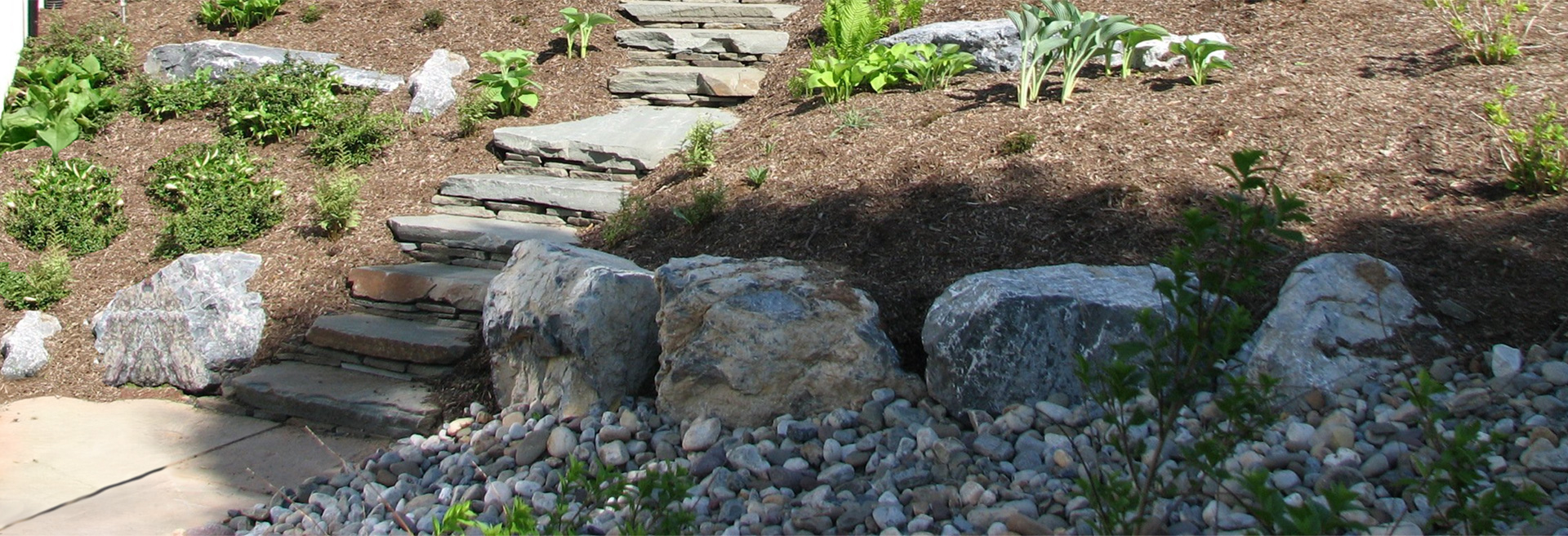
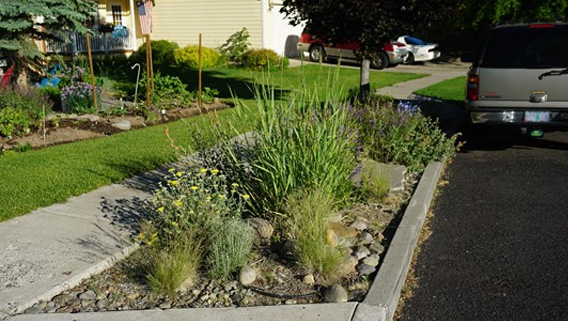
Improving the resilience and water efficiency of landscapes in Central Oregon involves several key practices. By incorporating compost into the soil, aerating lawns, and maintaining proper mulch levels, homeowners can significantly enhance soil health and water retention. Additionally, converting to WaterWise landscaping and using drip irrigation systems can further optimize water use, reduce waste, and support sustainable gardening practices.
Improving Soil
Adding compost to the soil in Central Oregon can help it hold more nutrients and water. If you’re planting in a new area, mix 1-2 inches of compost into the top 6 inches of soil.
Improving soil involves adding materials like compost. Compost is decomposed organic matter that enriches the soil. Increasing the nutrient and water holding capacity of the soil is essential for plant growth, as it helps the soil retain the necessary elements for plants to thrive.
Lawn Aeration
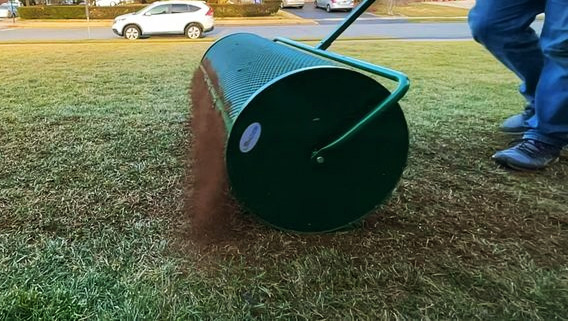
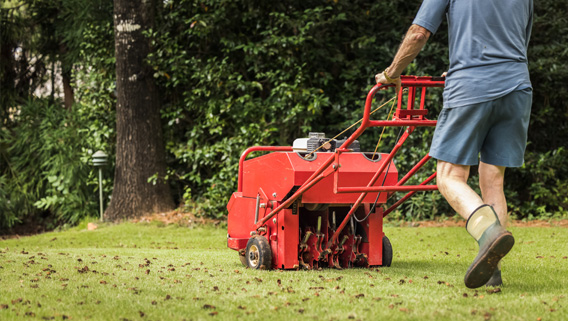
Aerating your lawn helps water soak in better. Adding a thin layer of soil on top after aerating in the spring is a great way to mix in organic material and improve how well the soil holds water. For more tips, check out our lawn care brochure.
Mulching
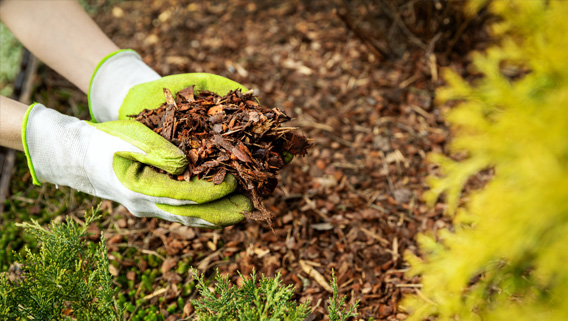
Keeping 3-4 inches of mulch in your planters helps the soil stay moist and slows down weed growth. Be careful not to cover the plant’s trunk with mulch. Keep mulch 6 inches away from plant crowns and 18 inches from tree crowns.
WaterWise Landscapes
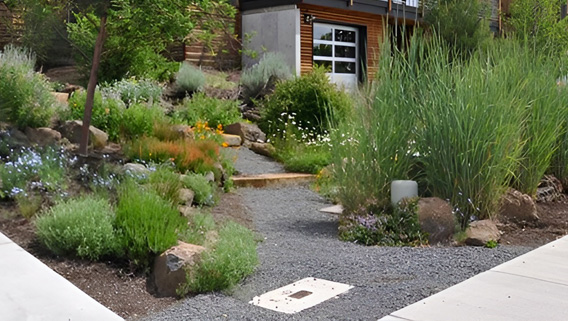
Switching to a WaterWise landscape means picking plants that suit our climate, setting up efficient irrigation systems, and following good gardening practices. WaterWise landscaping involves thinking about how much water our garden needs and doing maintenance to avoid wasting water. Changing part or all of your yard to a WaterWise garden can save thousands of gallons of water each year. Check out these guides for more ideas and inspiration.
Low-Water Demonstration Gardens
This map can help you find and tour local gardens that show how water-wise plantings can save water and create beautiful landscapes.
Interactive map displaying Sustainable Soil & Water Practices in Bend, Oregon.
Drip Irrigation: Save Water and Reduce Weeds
Drip irrigation sends water straight to the soil at your plants, which helps reduce weed growth by not watering open areas. Converting a zone to drip irrigation is easy with a Drip Retrokit. Use one or two sprinklers as connection points, install the retro-kit, and cap the other sprinklers in that zone.