Roles and Responsibilities
The City of Bend and the Bend Neighborhood Districts work closely together to learn about the issues facing Bend community members.
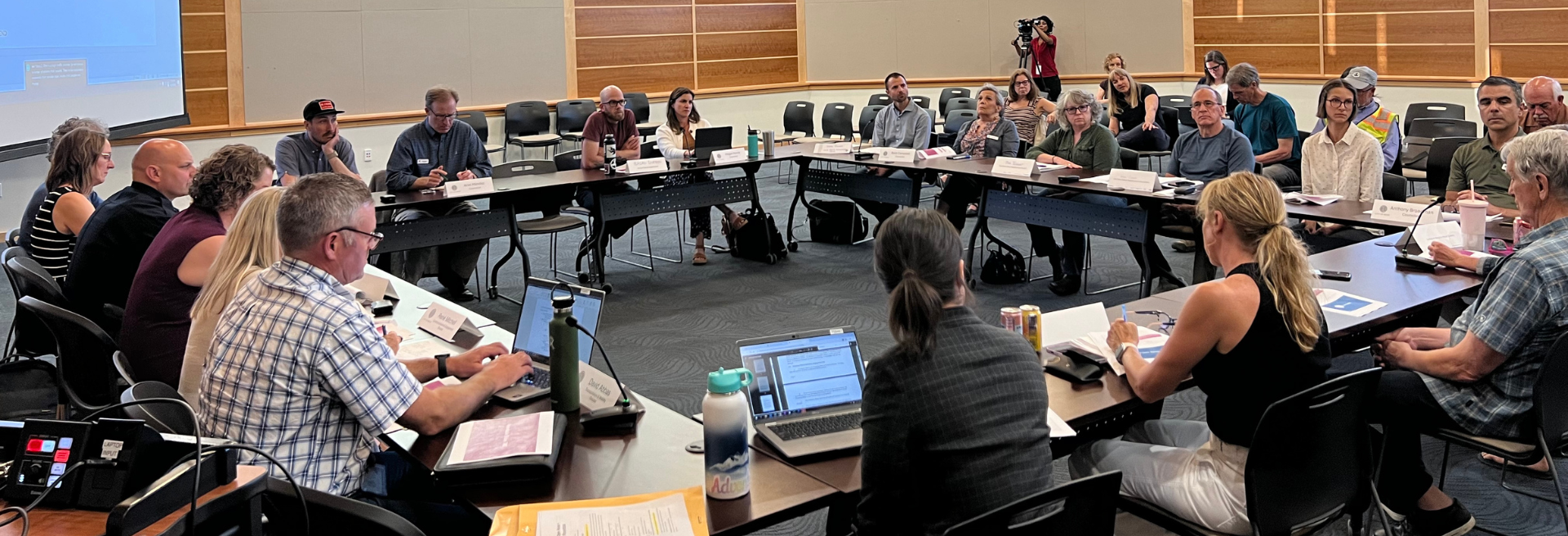
The City of Bend and the Bend Neighborhood Districts work together to address community issues that arise as Bend grows and changes. The City of Bend sees neighborhood districts as partners who provide valuable feedback on projects, programs, policy and decision-making by City staff and Councilors.
The City shows its commitment to neighborhood districts by formally recognizing them in the City’s Code and offering annual funding for district events and activities.
Neighborhood District Purpose
Bend Municipal Code Chapter 1.70 Neighborhood Districts states that the City of Bend’s neighborhood district program is intended to:
- Encourage and build community and neighborhood awareness and understanding of City issues;
- Provide for inclusive representative, informed, and effective communication and feedback between the City and community members on issues and concerns related to City issues, especially those related to City Council goals; and
- Support positive and meaningful connections within neighborhoods and the City as a whole.
Neighborhood District Requirements
To maintain recognition in the City’s Code, neighborhood districts must meet the following requirements:
Each neighborhood district must hold a general meeting for all members once every 12 months.
The general meeting can take many forms from a block party to a formal setting. At a general meeting the following topics are often addressed:
- Updates or presentations on major issues facing the neighborhood
- Announcements about neighborhood committees, events or projects
- Election of officers and other key positions
- Other important votes for the neighborhood district
In addition to the required general meetings, many neighborhood districts hold a monthly board meeting of the neighborhood leadership, plus any guests that may be helpful to them. Monthly board meetings are not required by the City’s Code, but they are essential to operating a neighborhood district effectively.
Neighborhood districts must perform an annual survey of the district membership to obtain representative feedback on topics of importance to the neighborhood that are connected to City Council goals or to inform future goals.
The City of Bend provides a SurveyPlanet membership to each neighborhood district to support this requirement. Contact the City of Bend Communications and Engagement Department to activate or inquire about your membership.
Neighborhood districts must have bylaws or other binding rules that require publicly announced and open meetings, govern election of board members and/or officers and meeting procedures, and must maintain minutes of open meetings.
Basically, neighborhood district members should be able to attend any meetings convened by the board of the neighborhood district, and have a way to access decisions and actions that have been made by the board or membership.
According to the City’s Code, neighborhood district members must be informed about decisions being made about proposed land use changes within the borders of a district.
Neighborhood districts must designate an authorized representative and provide the City with contact information for the designated representative to allow notice to be provided under applicable land use regulations.
Each year, the City requires that neighborhood districts wishing to continue with formal recognition submit an annual report describing their activities and accounting for the use of funds. This form intends to confirm the neighborhood district’s compliance with the City’s code requirements and allows them to remain recognized.
Role in Neighborhood Public Meetings
Applicants for zoning changes, conditional use permits, subdivision of lands and other activities are required to make a presentation at a publicly noticed meeting with the affected neighborhood, known as the Neighborhood Public Meeting.
According to the Development Code, applicants who are required to hold a Neighborhood Public Meeting must send a notice to property owners within 500 feet of the project area, and notify the neighborhood district in which the project is located. Presentations must include a map of the affected area, a visual description of a proposed project, notification of any expected impacts of the project and efforts to mitigate those impacts.
The Neighborhood Public Meeting is designed to help neighborhood district members and property owners gain the information they need to advocate for appropriate development of their neighborhoods. This knowledge can then allow neighborhood district leaders organize members to respond to land use proposals and follow up through future meetings or public hearings.
Land Use Education
Neighborhood districts play a significant role in informing the community about and use planning in Bend. Neighborhood representatives often hear from the community that land use is difficult to understand and they have worked with the City to create resources to help.