Burning Information and Regulations
Burning regulations help protect our community from wildfires and air pollution. Whether you’re planning a recreational fire or burning yard debris, it’s important to understand the rules based on your location and the time of year.
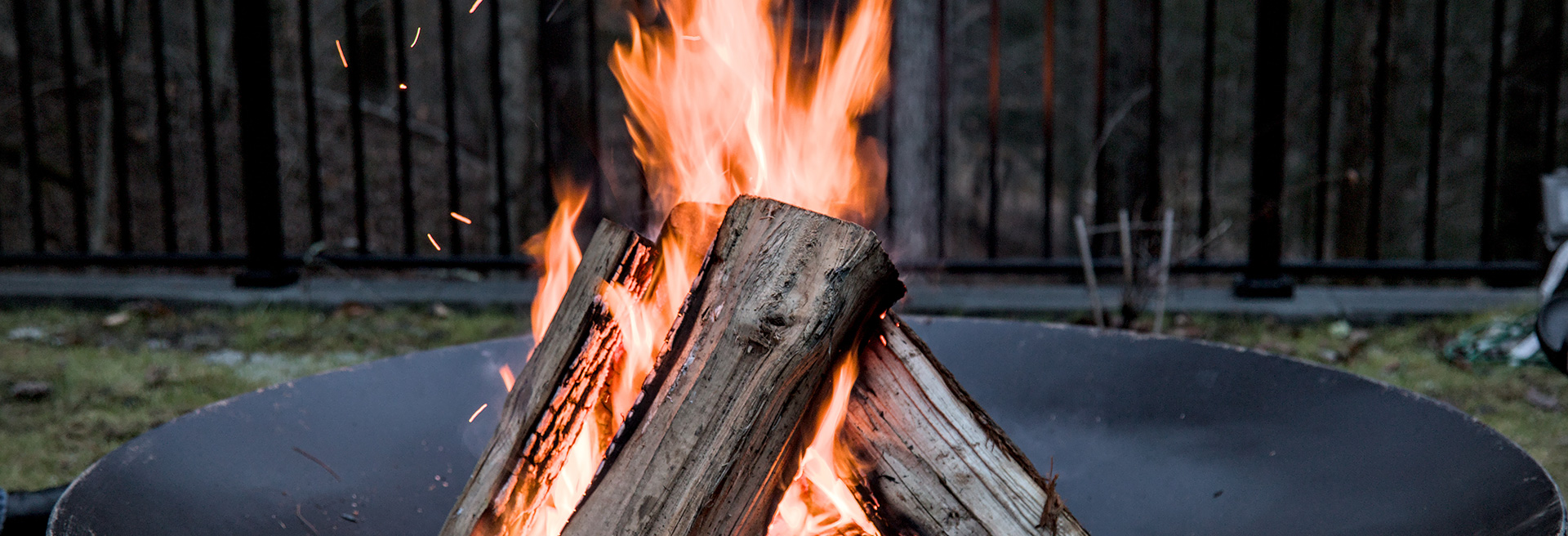
Call Before You Burn
Debris Burning
Central Oregon residents may find that burning yard debris is their preferred method for cleaning up their property and safeguarding their homes from fire. Depending on where you live, this may or may not be allowed. Yard debris includes things like pine needles, pinecones, branches, trees, shrubs, stumps, grass, and clippings.
Debris Burning Prohibited Inside Bend city limits
Inside the Bend city limits, burning yard debris is never allowed. This is a permanent rule set by City code. This means things like burn piles, barrels, weed torches or anything similar are prohibited.
Debris Burning Seasonally Allowed in Deschutes Rural Fire Protection District #2
If you live outside the Bend city limits but are still served by Bend Fire & Rescue or Deschutes Rural Fire Protection District #2 (Rural District), outdoor debris burning is open for the season as of Oct. 1, 2025.
Debris burning is usually allowed from November to May, but it depends on fire season and weather conditions.
Even during burn season, burning might be stopped on certain days if it’s too windy or if the air quality is poor. Always call before you burn to make sure it’s safe and allowed that day. Specific burning guidelines for Rural District #2 are included below.
Recreational Fires, Campfires, and Warming Fires
Small fires for fun, warmth, or cooking—like campfires or backyard fire pits—are usually okay all year inside Bend city limits and throughout the Rural District, as long as you use clean, dry firewood. But please be extra careful. These fires might be banned temporarily if the weather is dangerous or if wildfire risk is very high. For recreational fires, campfires and warming fires, remember:
- Fires should be no bigger than 3 feet wide and 2 feet tall.
- Keep fires at least 25 feet away from buildings and tall fences, if at all possible.
- If you’re using a store-bought fire pit, you can follow the distance the manufacturer recommends.
- Only burn clean, dry firewood that doesn’t make a lot of smoke.
- Fires must be completely out and cold to the touch before you leave.
- You can have campfires after dark, but someone must stay with the fire the whole time.
Before you light a fire, call the burn info line at 541-322-6335 to check if it’s allowed that day. If you don’t follow the rules, you could get a ticket or be reported to the Department of Environmental Quality (DEQ).
Fires on Public Land
You’re not allowed to have open fires—even for cooking or staying warm—on land owned by the City of Bend, Deschutes County, or the Oregon Department of Transportation. This includes roadsides and other public areas.
Propane heaters and cooking devices are okay, but only if you use them safely and follow the instructions that come with them. You also need permission from the landowner to have any kind of fire—and that permission hasn’t been given for these public lands.
To learn more, check out the City of Bend Fire Restrictions Policy.
If Your Fire Gets Out of Control Call 911 immediately.
Burn Regulations
Burn Permit Information
Burn permits help make sure fires are done safely and don’t get out of control. Each permit costs $20 (plus any credit card fees) and is usually good for one year. You can pay when you apply online, and other payment options are available too.
When You DON’T Need a Burn Permit
You don’t need a permit for these types of fires, but you do need to follow the burn regulations:
- Yard debris fires (rural areas only): If your pile is smaller than 6 feet wide and 4 feet tall, and at least 50 feet away from buildings.
- Burn barrels (rural areas only): If the barrel is at least 15 feet away from buildings.
- Campfires, warming fires, cooking fires, and store-bought fire appliances: As long as they meet the size and spacing rules in the burn regulations.
When You DO Need a Burn Permit
Permits are required for:
- Agricultural burning (like ditches, fence lines, and fields – rural areas only).
- Large debris piles (bigger than what’s allowed in the burn regulations – rural areas only).
- Any kind of commercial burning (rural areas only).
- Special fires like bonfires or in-ground cooking pit fires.
If you’re not sure whether you need a permit, call 541-322-6386 and someone will help you out.
Applying for a Burn Permit
Burn Permits are applied for through the City’s Online Permit Center Portal. This includes people who live outside the Bend city limits but are still in the fire district.
Instructions for applying for a burn permit:
- Create an account in the Portal. (Check your junk mail folder for the confirmation email!)
- Go to the Special Events & Noise Variances, Burn Permits, and Mobile Food Unit Safety Inspections section and click Apply.
- When it asks for “quantity,” just enter 1.
- After you apply, someone will contact you to schedule a site visit to check your location.
Burning in Deschutes County Rural Fire Protection District #2
Debris Burning Rules
- If your fire pile is 3 feet wide and 2 feet tall, it must be at least 25 feet away from buildings and fences taller than 6 feet.
- If your pile is 6 feet wide and 4 feet tall, it must be at least 50 feet away.
- Fires larger than 6 feet need a burn permit before you light them.
- All fires must have 10 feet of clear space around them—down to bare dirt.
- Debris burning is only allowed outside of summer months, and only for clean yard waste like branches and pine needles. You can’t burn trash or garbage.
Burn Barrels
You can use burn barrels for debris burning outside the city limits, but you must follow the same rules as open debris burning:
- Keep the barrel at least 15 feet away from buildings and tall fences.
- Make sure it’s not near anything that can catch fire.
- Use a metal mesh lid to stop embers from escaping.
- Clear 10 feet of space around the barrel, down to bare dirt.
Burn Permits
You’ll need a permit for:
- Fires larger than 6 feet wide.
- Field burning.
- Any fire not listed in the burn regulations.
If you’re not sure whether you need a permit, call 541-322-6386 for help. You can also check the Burn Permit section on this page for more info.
Oregon Department of Forestry (ODF) Areas
Some places in the Bend Fire & Rescue area are also protected by the Oregon Department of Forestry (ODF). If you live in one of these areas, you might have to follow extra rules, especially if you’re a landowner under the Oregon Forest Practices Act.
For help with ODF rules or permits:
- Call the office in Sisters, Oregon at 541-549-2731.
- Or visit the ODF website.
Commercial Burning
If you’re planning to burn anything on commercial property—like at a business, industrial site, or job site—you’ll need a burn permit from Bend Fire & Rescue.
Before you apply for the fire department’s permit, you must first get permission from the Oregon Department of Environmental Quality (DEQ). This is required for:
- Any commercial burning within 3 miles of Bend.
- Any location where commercial debris is brought in to be burned.
To get DEQ approval or learn more, call their Bend office at 541-388-6146 or visit the DEQ website.
How to Apply for a Burn Permit
Once you have your DEQ permit, you can apply for your burn permit through the City’s Online Permit Center Portal. This system is used for all burn permits, even for people who live outside the Bend city limits.
For step-by-step instructions, check the Burn Permit section on this page.
You can also pick up a copy of the burn regulations at any fire station or download them from the Burn Regulations section.
If you’re unsure whether your burn requires a commercial permit, call 541-322-6386 and we’ll help you figure it out.
Response Area
To determine which fire department serves your address:
- Go to Deschutes County Dial.
- Enter your address.
- Use the interactive map and turn on the Tax Districts – Fire layer.
Important Note: If your address starts with Bend 97707, you’re actually in the La Pine Fire District, not Bend Fire’s area. Check La Pine Fire District’s website to learn more about their burning rules.
Reporting Burning Complaints
If you see illegal or unsafe burning, Bend Fire & Rescue can respond. But before calling 911 or dispatch, please try to talk to the person first—they may not realize there’s a problem. This helps keep fire crews available for real emergencies.
If that doesn’t work, call non-emergency dispatch at 541-693-6911, or 911 if it’s an emergency.
Burning Complaints
You can report burning complaints online through the City’s Online Permit Center Portal. Just go to the Code Enforcement section and click Submit a New Complaint.
Air Quality Complaints
For smoke or odor issues, contact the Department of Environment Quality (DEQ) at 541-388-6146.
DEQ makes sure fires don’t create health hazards or public safety risks. You’re responsible for any smoke, smell, or damage caused by your fire. Burning is not allowed during poor air quality days, high winds, or other unsafe conditions.
Fire Danger Levels
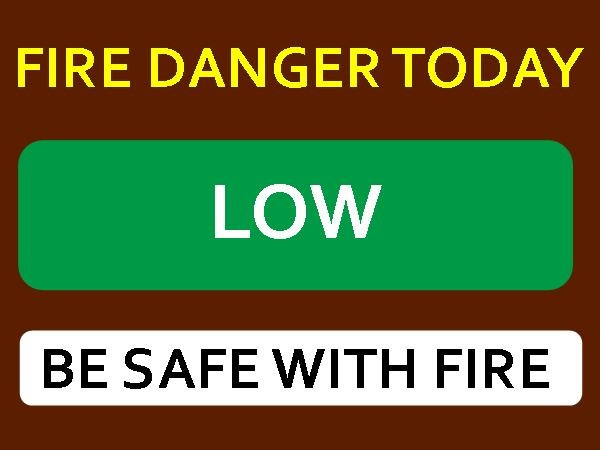 When fire danger is low, fuels like dry leaves and twigs don’t catch fire easily from small sparks. However, something stronger—like a lightning strike—can still start fires, especially in soft, rotting wood.
- In grassy areas that have dried out, fires might burn for a few hours after rain, but in wooded areas, fires tend to move slowly and unevenly. They mostly smolder or creep along the ground.
- There’s very little chance of fires jumping from one spot to another.
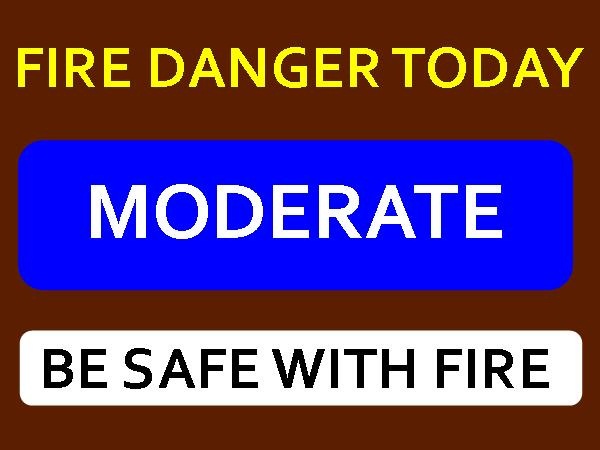 At this level, fires can start from many everyday causes, but the number of fires is usually low—except in places where lightning is common.
- In dry grasslands, fires can burn quickly and spread fast, especially when it’s windy. Fires in wooded areas move more slowly, but can still spread at a moderate pace.
- Most fires are not very intense, but if there’s a lot of fuel—especially hanging branches or dry brush—they can burn hotter. Fires might jump short distances, but this doesn’t happen often.
- Fires are usually not too hard to control at this level.
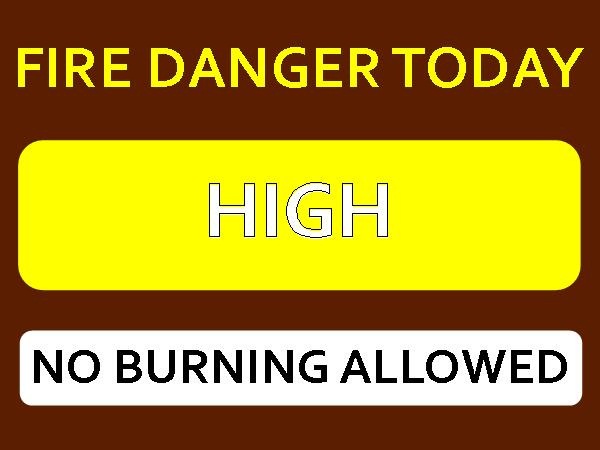 When fire danger is high, dry fuels like dead grass and leaves catch fire easily, no matter the cause.
- Campfires and brush fires that are left unattended can quickly get out of control.
- Fires spread fast, and it’s common for them to jump short distances.
- Fires can burn very hot, especially on hillsides or in areas with lots of dry fuel. If not stopped quickly while they’re still small, these fires can become serious and hard to manage.
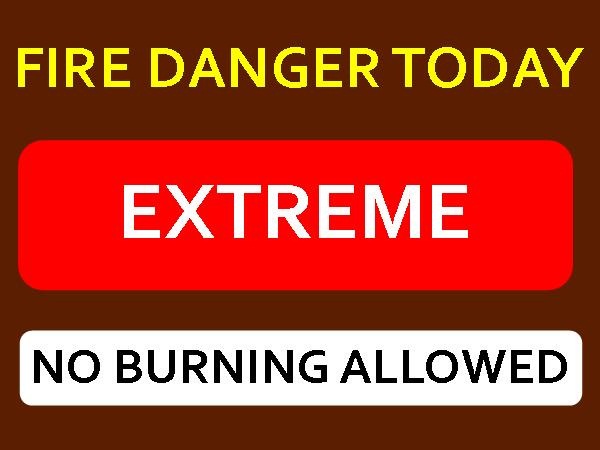 At this level, fires start very easily, spread extremely fast, and burn with intense heat.
- Any fire can quickly become dangerous.
- Even small fires can grow into high-intensity blazes faster than they would at the high danger level.
- Trying to fight these fires directly is usually not safe, unless it’s done right after the fire starts.
Extreme Fire Danger Season Warning
When Bend Fire & Rescue is at an extreme fire danger level during fire season, breaking burning rules can lead to a citation. This includes rules from both the City of Bend and Deschutes County Rural Fire Protection District #2. During these times, the Fire Chief or Fire Marshal may ban all types of fires. This includes campfires, warming fires, and cooking fires. Before you burn anything, always call the burn line at 541-322-6335 to make sure it’s allowed.
Fire danger levels information courtesy of USFS.