Comprehensive Plan
The Bend Comprehensive Plan is important to understanding land use decisions in Bend. It is commonly described as the “blueprint” for the City’s development, and the policies and goals outlined within the plan guide how, where and what type of development happens within Bend.
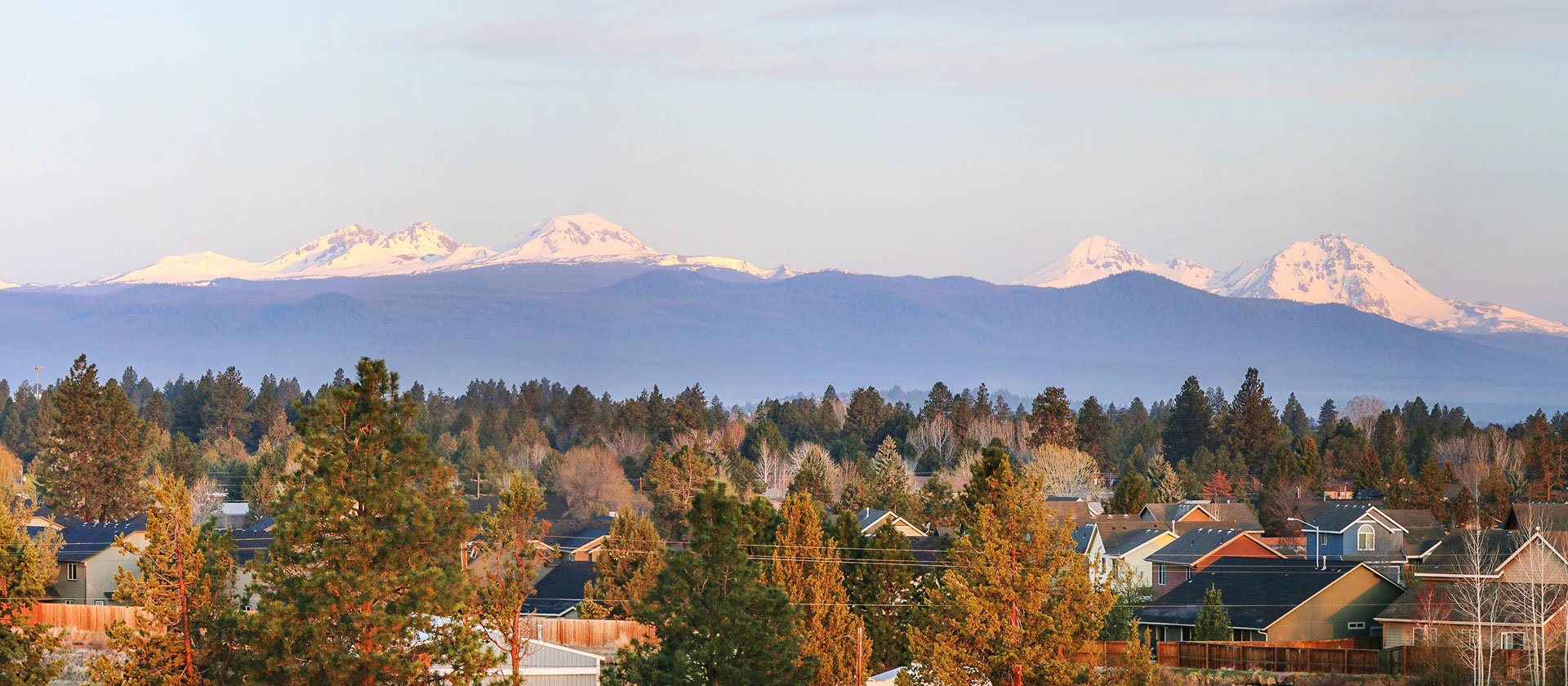
The Comprehensive Plan is the fundamental document in which the City relies on to guide land use decisions. The Plan includes designations describing the type of development expected in certain areas. These designations are the basis of all Zoning Districts, Urban Growth Boundary (UGB) expansion areas and the Bend Development Code (BDC), and form the set of regulations with which all land use applications must comply.
Learn How the City Plans for Growth
Get Involved Early
Land use planning in Oregon is quite different when compared to other states. The Oregon land use planning program was created in 1973 when the Legislative Assembly passed the Oregon Land Use Act (Senate Bill 100) in response to Oregon’s rapid population growth. Under this program all cities and counties throughout Oregon have adopted comprehensive plans that meet 19 statewide planning goals that deal with land use, development, housing, transportation, and conservation of natural resources.
Of these 19 goals, the first goal serves as the foundation of Oregon land use. Goal 1 calls for community members to be involved in all phases of land use planning.
The City of Bend relies heavily on involving the community in long-range planning efforts, and there are ways to get involved in the development and changes to some of Bend’s guiding documents such as the Comprehensive Plan, and Bend Development Code and Zoning Districts.
Involvement Opportunities
The Comprehensive Plan is the document outlining the guiding principles of development between City government and the community at large. Without the Plan, development goals can seem one-sided or out of balance. As the Plan is created in conjunction with the community, participation in the process is critical for those who want to achieve balance.
The City is required to periodically update the Plan to respond to the forecasts of needed land and infrastructure in Bend over a 20-year period. This means there are frequent updates to the Comprehensive Plan. The planning process includes a variety of opportunities for the community to get involved and provide input, such as workshops, open houses, surveys and public hearings. Amendments or additions to the Comprehensive Plan text, exhibits, and policies require a public hearing and review process before being adopted by the governing bodies and are preceded by additional community engagement efforts.
What drives updates and/or amendments to the Comprehensive Plan?
The Comprehensive Plan is a document that changes over time to reflect new information and new directions for the future. Changes, updates and compliance with State requirements may be driven by any of the following:
- Periodic and scheduled reviews to ensure the City has sufficient buildable land for the next 20 years of forecasted growth for all land use types.
- Preparation of more detailed land use and development plans for parts of the urban area that have large vacant or under-utilized parcels.
- Updates to public facility plans.
- New state laws or legislative actions outside of the periodic review cycle
- New goals adopted by City Council
- Changes proposed by individuals or organizations with proof of public need and benefit for the proposed change.
- Compliance with State requirements are completed through required reviews by the Oregon Land Conservation and Development Commissions.
Involvement Opportunities
The Comprehensive Plan is a document that changes over time to reflect new information and new directions for the future. Changes, updates and compliance with State requirements may be driven by any of the following: – Periodic and scheduled reviews to ensure the City has sufficient buildable land for the next 20 years of forecasted growth for all land use types.
– Preparation of more detailed land use and development plans for parts of the urban area that have large vacant or under-utilized parcels.
– Updates to public facility plans.
– New state laws or legislative actions outside of the periodic review cycle
– New goals adopted by City Council
– Changes proposed by individuals or organizations with proof of public need and benefit for the proposed change.
– Compliance with State requirements are completed through required reviews by the Oregon Land Conservation and Development Commissions.