Bend Energy Smart
50% of Bend’s greenhouse gas emissions come from using fossil fuels to heat our homes and buildings. Reaching our goal of reducing these emissions by 70% by 2050 will be a significant challenge. Fortunately, the tools and technology to make this happen are within reach!
Bend Energy Smart is a City of Bend program that provides free educational materials about energy efficiency and electrification and local resources for Bend residents.
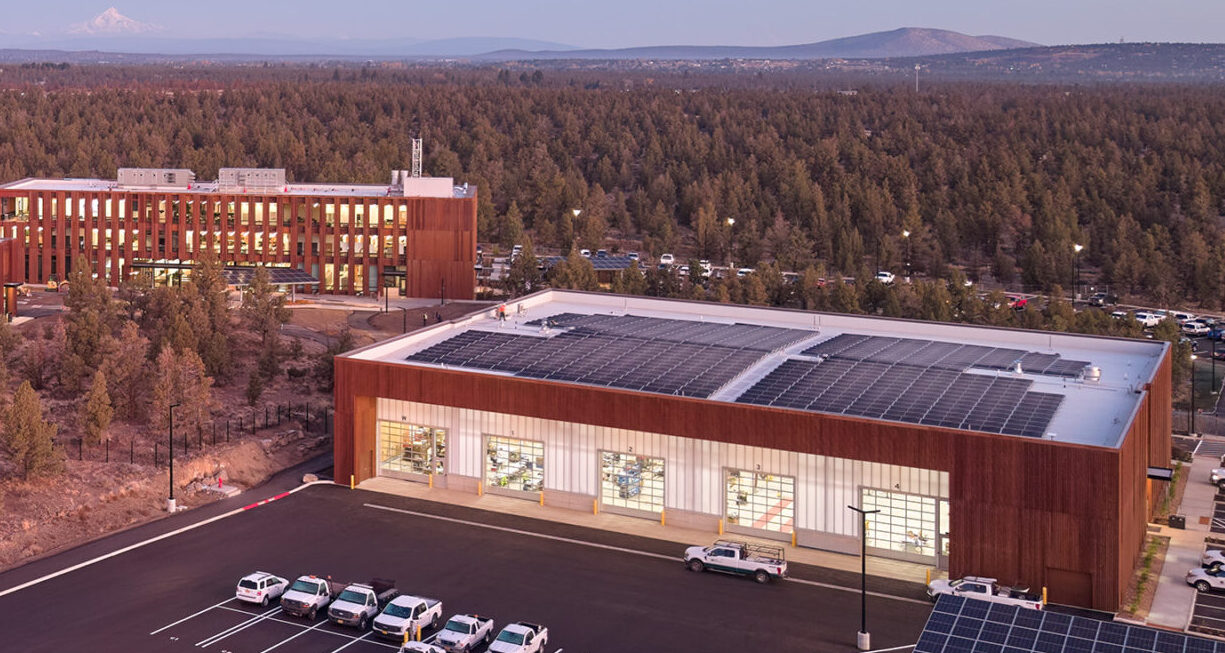
Electrification Resources for Homeowners and Renters
As a homeowner, you’re in a great position to electrify your home. Electrification can improve indoor air quality, lower energy costs, and reduce climate pollution. Here are some steps to start your journey.
Not a homeowner? You still have options. Even if full electrification isn’t possible without your landlord’s help, there are simple actions you can take right now. Here are a few ideas to get started.
Incentives and Contractor Look Up
-
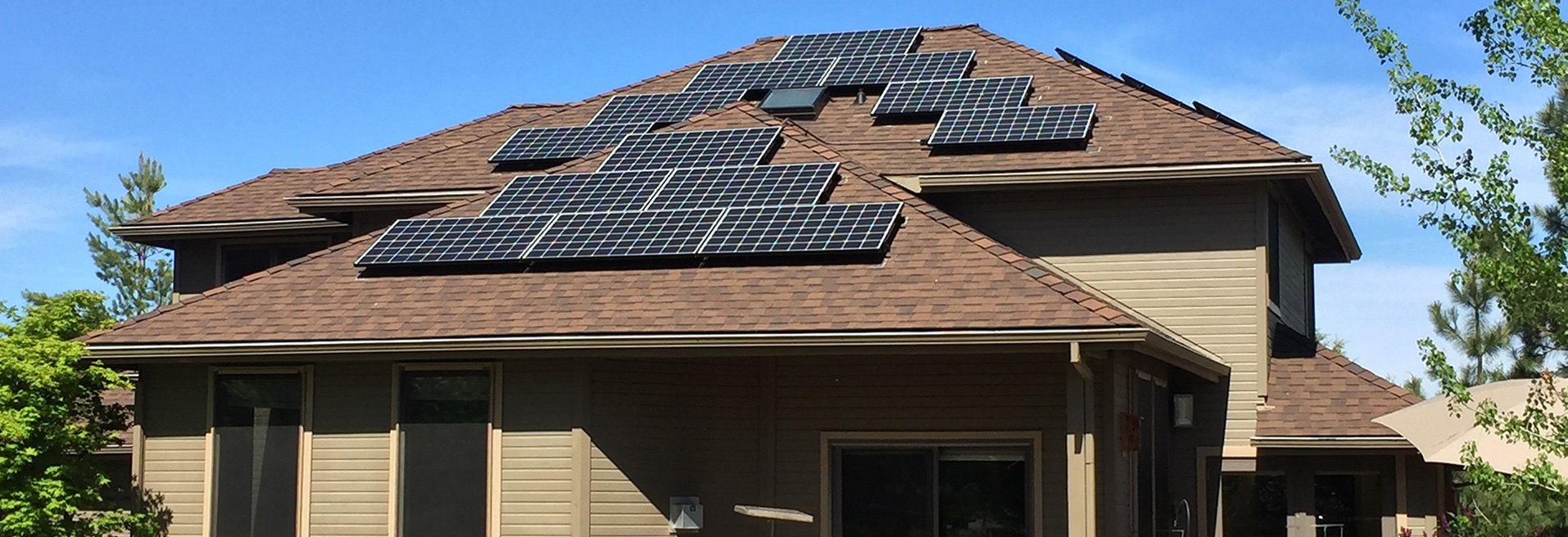
Find incentives!
Find incentivesExplore the local, state, and federal incentives available to you for going electric. Find financial support available to you for electrification, energy efficiency, and renewable energy projects.
-
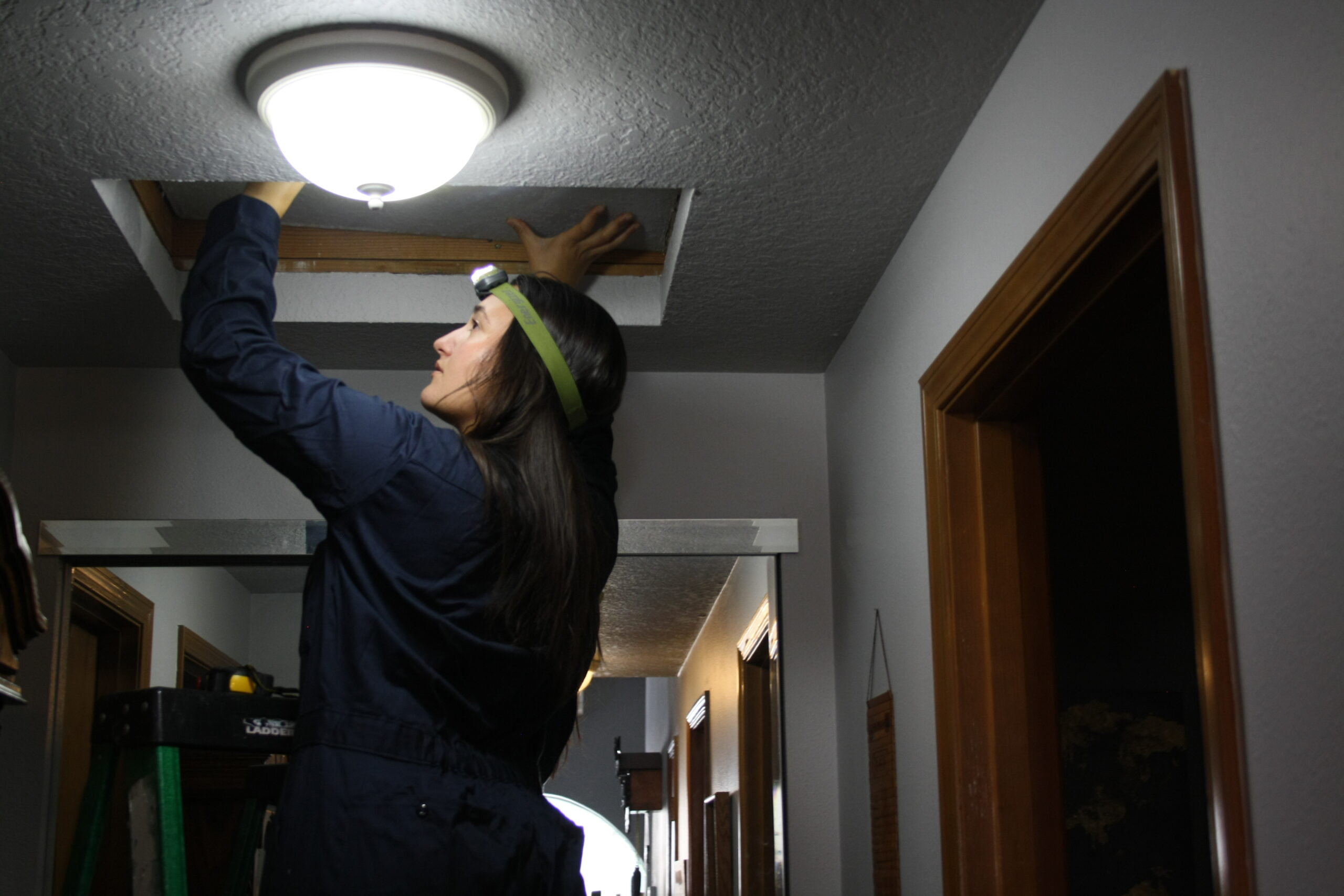
Find a trusted contractor!
Find contractorsFind a trusted Trade Ally contractor to complete your clear energy projects. Trade allies complete a wide range of energy-saving and renewable power projects in homes and businesses—from home weatherization and high-performance new construction to efficient industrial processes and commercial solar electric installations.
Induction Cooking
Induction cooking technology is faster, cleaner, safer and more energy efficient than gas or traditional electric burners
Residents can borrow a countertop induction stove kit for up to 3 weeks for free! The kit includes a cooktop, a compatible pan and pot, and instructions. Borrow a kit through the Bend Library of Things!
Electrification Policy
The City is working on an electrification policy that encourages all electric appliances in new homes.
Go Electric! Recordings & Resources
Learn about what electrification is, why it matters, and how to start.
Recording to come
Go Electric! Efficiency and Comfort for Renters Presentation
Get sustainability funding for your small business!
The City of Bend is launching its first Small Business Assistance Grant Program, dedicating $30,000 to support local small businesses advancing sustainability. Grants may fund clean energy and energy‑efficiency projects, as well as other initiatives that align with the City’s Climate and Community Action Plan (CCAP) focus areas. More details on eligibility and how to apply are coming soon.
Get sustainability funding for your non-profit, government agency, or educational institution
The City of Bend offers $150,000 every year to support non-profit, government entities, or educational institution implement our Community Climate Action Plan. Do you have a clean energy project you want funded? See if you’re eligible and apply!
Frequently Asked Questions
Building electrification means replacing equipment that uses natural gas, propane, or other fossil fuels with electric alternatives. In a house or apartment, this equipment includes heating systems, clothes dryers, water heaters, stoves, and ovens.
Electrification is just one component of building decarbonization, which leads to lower carbon emissions and healthier indoor air quality.
A heat pump is a heating and cooling system that uses less energy and emits fewer carbon emissions than a traditional system, making it a climate-friendly solution to controlling our indoor air temperatures. Installing a heat pump is one way to reduce carbon emissions, create a more comfortable living environment, and ensure your home uses energy efficiently.
Instead of generating heat (like a furnace or boiler does) a heat pump uses electricity to move heat from one place to another. Because they don’t generate heat, heat pumps are highly efficient and use significantly less energy than a furnace or boiler.
Heat pumps transfer heat using a system that’s similar to a refrigerator or an air conditioning unit. In the summer, they keep your house cool by absorbing heat inside the house and releasing it outdoors. In the winter, the process is reversed, and the heat pump can absorb heat from the outside and bring it indoors.
Heat pumps absolutely work in cold weather. During winter, the outdoor unit of the heat pump operates at very low temperatures so that it can still absorb heat and transfer it inside the home.
Before installing a heat pump, a home should be properly weatherized and sealed with insulation to prevent air from escaping. A weatherized home takes less energy to heat in the winter and cool in the summer because it retains indoor air more effectively.
Induction cooking is a faster, cleaner, and safer way to cook using electricity and magnetism. Instead of heating the burner, induction sends energy directly into your pan, so the pan heats up, not the cooktop or the air around it. That means more control, less wasted energy, and a better cooking experience overall.
Cooks faster: Induction can boil water nearly twice as fast as gas, saving time on everyday meals.
Precise, instant control: Temperature changes happen immediately; no waiting for a burner to heat up or cool down.
Healthier for your home: Unlike gas stoves, induction doesn’t release harmful air pollutants like nitrogen dioxide or carbon monoxide into your kitchen.
Safer for families: No open flame, less leftover heat, and automatic shutoff when a pan isn’t detected; all reducing burn and fire risks.
Cooler kitchens: Because heat goes straight into the pan, not the air, kitchens stay more comfortable while you cook.
Easy to clean: The smooth glass surface wipes clean in seconds, with no grates or burners for spills to bake onto.
Climate‑friendly: Induction uses electricity instead of fossil gas, and as the grid gets cleaner, your cooking does too.
Stay Connected!
Sign up for Bend’s Sustainability Newsletter to receive updates on Community Climate Action Plan events, progress, and community opportunities.